
Trees provide shade, beauty, and habitat for wildlife throughout Brisbane’s suburbs. They’re valuable assets to any property however without proper care, they can become serious liabilities. Strong winds, storms, disease and decay all gradually weaken trees, increasing the risk of falling branches or complete structural failure. Property damage, personal injury and costly emergency repairs often follow when warning signs go unaddressed.
Proactive tree risk management helps you maintain a safe outdoor space while preserving the trees you value. By identifying potential hazards early, you can address issues before they escalate into emergencies. The process involves assessing structural integrity, identifying compromised branches, and evaluating root stability. Our arborists determine whether pruning, bracing, or removal is necessary to mitigate risk while keeping your trees as healthy as possible.
Warning Signs Your Trees May Need Attention
Many tree hazards develop gradually and aren’t immediately obvious, and this makes regular professional inspections essential for property safety. Common warning signs include visible cracks in the trunk, noticeable leaning, exposed or damaged roots, significant deadwood in the canopy and fungal growth around the base. Trees that sustained damage during previous storms carry a higher risk of future failure.
Trees positioned in high traffic areas, near buildings or close to power lines demand special attention because even a relatively minor failure in these locations can have serious consequences. A thorough risk assessment by our qualified arborists determines the overall health of each tree and identifies necessary interventions. Addressing these issues early saves time and money while preventing unexpected emergencies that disrupt your property and daily life.
Taking Preventative Action
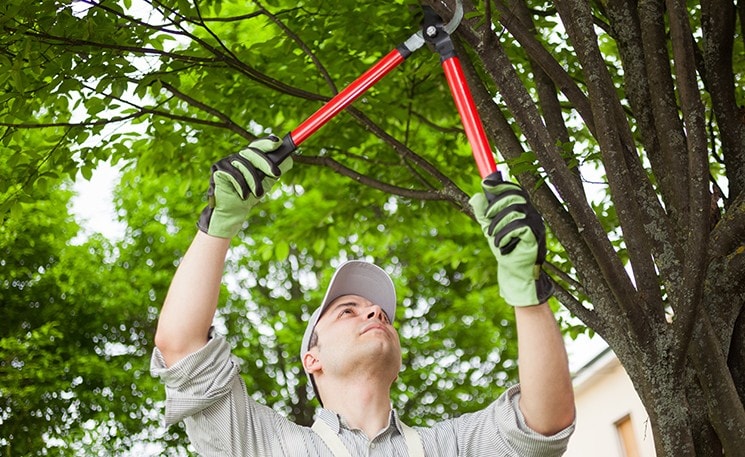
Once we’ve identified potential hazards, the next step involves implementing targeted preventive measures. Regular pruning eliminates weak or dead branches before they can break off during storms, while crown thinning reduces wind resistance, which enhances overall tree stability. For structurally compromised trees, we may recommend bracing or cabling systems that provide additional support without requiring removal.
Soil quality directly affects tree health and stability. Compacted or nutrient poor soil weakens root systems, making trees more vulnerable to failure. Conditions can be improved through proper mulching, soil aeration and deep watering techniques that strengthen roots and enhance stability. When pest infestations threaten tree health, we implement appropriate control measures as they weaken trees from within, often causing damage that becomes visible only after significant deterioration has occurred.
Professional Risk Assessment and Advanced Diagnostics
Property owners can spot some obvious warning signs, but trained arborists bring expertise and specialised equipment to the assessment process. We conduct comprehensive risk evaluations using advanced diagnostic techniques, helping to reveal problems long before they become visible threats.
Based on assessment results, we provide clear recommendations for managing each tree according to its specific risk level. While removal becomes necessary for severely hazardous trees, we can often address issues through strategic pruning or support systems. This approach preserves valuable trees whenever possible. We also prepare detailed documentation for insurance claims when tree-related damage has already occurred.
Preparing for Brisbane’s Storm Season
Severe weather ranks among the leading causes of tree related property damage across Brisbane. High winds, heavy rainfall and intense storms can transform vulnerable trees into immediate hazards. Preparing your trees before storm season arrives significantly reduces the risk of damage to your property.
Well maintained trees withstand extreme weather far better than neglected ones. Proper pruning, healthy root systems and structural reinforcement for at risk trees all reduce the likelihood of storm related failures. Pre-season inspections identify trees that may not survive severe conditions, giving you time to take action. The proactive approach prevents costly emergency situations and keeps your property safe throughout the year.