
December brings longer days and rising temperatures, signalling the start of another challenging summer for Australian gardens. The harsh sun, dry winds, and extended periods without rainfall test even the hardiest trees and plants. Many homeowners increase their watering schedule and hope for the best, but effective summer preparation requires a more strategic approach. With proper planning and maintenance now, you can protect your garden through the hottest months and avoid the stress of watching established trees decline.
Choosing the Right Plants for the Climate
Starting a new garden or refreshing an existing one? The species you choose will determine how much effort you’ll need to invest during summer. Native plants offer superior drought tolerance and adapt naturally to local climate conditions. Once established, they require significantly less water and ongoing care compared to exotic species.
For established gardens, focus on strategic placement and natural shade creation. Identify areas that receive full sun throughout the day and consider adding larger shrubs or trees to provide relief for understory plants. This canopy layer moderates soil temperature and reduces moisture loss. Bottlebrush, eucalyptus and grevillea perform exceptionally well, providing year round colour and texture without excessive water demands.
Watering Wisely Through Summer
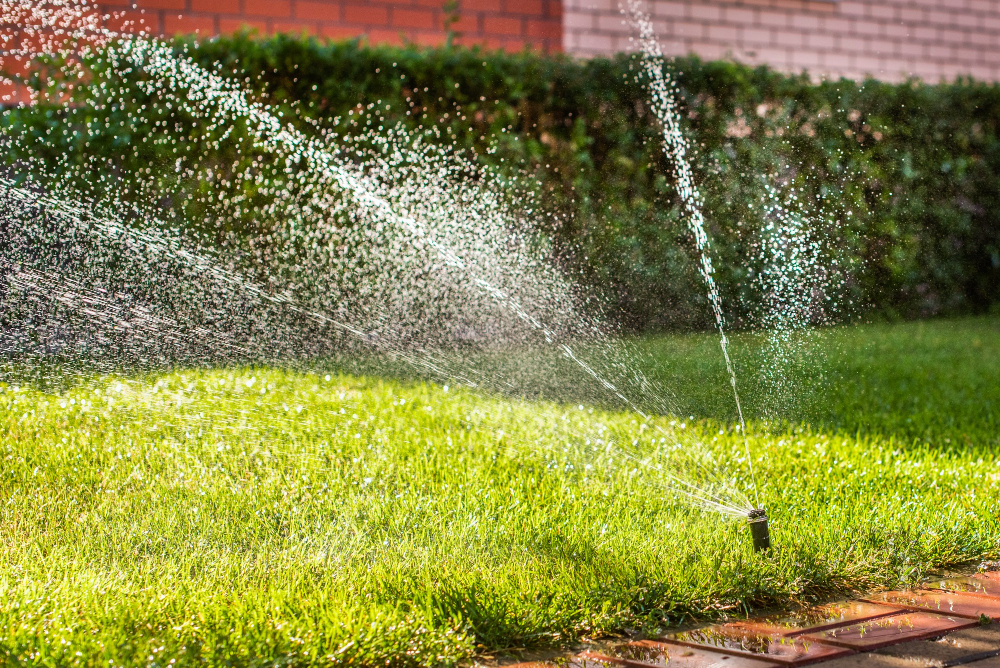
How and when you water matters as much as how much. Begin adjusting your watering routine in spring rather than waiting for the first heatwave. Deep, infrequent watering encourages trees and shrubs to develop extensive root systems that reach deeper soil layers where moisture persists during dry periods.
Schedule watering for early morning or late evening when temperatures drop. Early morning proves optimal as it allows foliage to dry before nightfall, reducing disease risk. Midday watering wastes significant amounts to evaporation before the water reaches root zones. A drip irrigation system delivers water directly to the root zone with minimal waste, making it a sound investment for long-term garden health.
Trees showing signs of water stress such as wilting leaves, leaf drop or browning edges need immediate attention. However, prevention through consistent deep watering beats reactive crisis management.
Mulching for Moisture and Protection
Apply a generous layer of organic mulch around trees and garden beds now, before peak summer heat arrives. Quality mulch retains soil moisture, suppresses weed competition, and insulates roots from temperature extremes. As it breaks down, it adds valuable organic matter to the soil.
Bark chips, composted leaves, or wood mulch all provide excellent coverage. Maintain a layer 7-10 centimetres deep, keeping it several centimetres away from tree trunks to prevent moisture-related rot or pest attraction. Well-mulched gardens maintain cooler soil temperatures and require less frequent watering, particularly during heatwave conditions.
Don’t wait until you notice your garden struggling. Mulch applied now provides maximum benefit throughout summer.
Fertilising with Care
Resist the urge to fertilise during peak summer heat. Over-application burns roots and increases vulnerability to pests and disease when plants are already stressed. Apply gentle, organic fertilisers during cooler months or early spring before temperatures climb. This timing supports strong growth before heat stress begins.
Many Australian native species respond poorly to high-phosphate fertilisers. Choose products specifically formulated for native plants, or consult with a professional if you’re uncertain about appropriate options for your garden. Proper fertilisation timing strengthens plants before summer challenges arrive, rather than forcing growth during their most stressful period.
Checking Trees for Signs of Stress or Damage
Regular tree inspections become critical during summer months. Heat, dry soil, and strong winds cause stress that may not show immediately but compounds over time. Watch for discoloured leaves, excessive leaf drop, trunk cracks, or pest activity. These warning signs indicate your trees need professional assessment.
Storm season brings additional risks, particularly for weakened or diseased trees. Brittle branches become hazardous to property and people. Early identification of structural problems allows for corrective action before emergency situations develop. Professional arborists can assess tree health, remove deadwood, and address disease or pest issues before they escalate.
If you notice concerning changes in your trees, arrange an inspection promptly. Early intervention prevents minor issues from becoming major problems.
Professional Tree Care for your Garden
Summer tests every garden, but proactive preparation makes the difference between thriving landscapes and struggling survivors. Strategic watering, proper mulching, and regular monitoring provide the foundation for healthy trees through the hottest months.
When you notice signs of tree stress, declining health, or structural concerns, professional assessment ensures accurate diagnosis and appropriate treatment. Our experts provide comprehensive tree care services and we can help homeowners maintain safe, healthy gardens year-round.