
If you’re dealing with a tree that’s dropping limbs, blocking sunlight, or getting too close to your home, it’s natural to think about removing it. In Brisbane though, tree removal isn’t always as simple as cutting it down as local council regulations can apply depending on the tree and its location.
From working with homeowners across Brisbane, one of the most common issues seen is people assuming they can remove a tree on private property without checking first. In some cases, that’s fine. In others, it can lead to fines, delays or being required to replant trees. Understanding the basics upfront can save a lot of trouble.
Why Brisbane City Council Regulates Tree Removal
Brisbane City Council protects certain vegetation to maintain urban canopy, prevent erosion, and support wildlife habitats. This is managed through the Natural Assets Local Law.
That means some trees, like native species or those in protected zones can’t be removed or heavily pruned without approval.
From experience, we’ve found that many properties in leafy suburbs like The Gap, Kenmore, or Chapel Hill, fall under some level of vegetation protection, even if homeowners aren’t aware of it.
When You Might Need Approval
There isn’t a single rule that applies to every property, but there are some common situations where approval is required.
Protected Vegetation
For instance, if your property contains “protected vegetation” under council mapping, you’ll likely need approval before removing or significantly pruning a tree. This often includes native species, trees within environmental or habitat overlays, and vegetation near waterways or bushland. In many cases when it comes to tree removal, the first step is checking council protected vegetation areas before doing anything else.
Large or Established Trees
Even if a tree isn’t obviously protected, its size can bring it under regulations. Mature trees contribute significantly to Brisbane’s canopy coverage, so councils often require assessment before removal.
A qualified arborist report is typically needed to justify removal in these cases. This report outlines the tree’s health, structural condition, and any risk it poses.
If you’re unsure whether your tree qualifies, it’s worth getting advice early. This is something covered in more detail on our arborist reports page.
Location Sensitive Areas for Trees
Trees located in certain areas are more likely to be regulated, some sensitive areas include:
- Near retaining walls or steep slopes
- Close to waterways
- Within heritage or character zones
- Near public infrastructure (footpaths, roads)
From practical experience, we’ve found that these are the most common places where it’s required to have some kind of approval. Better safe than sorry, sometimes the tree doesn’t seem to be a problem, but its location can be.
What About Dead or Dangerous Trees?
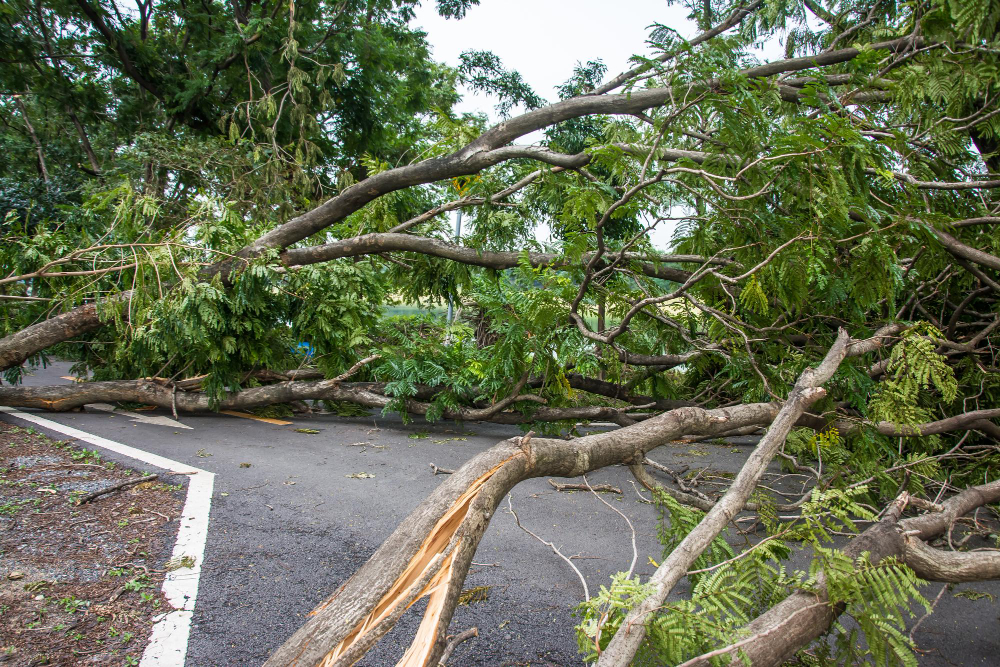
If a tree is clearly hazardous, leaning, structurally compromised, or dropping large limbs, they are often able to be removed. However, that doesn’t mean you can just remove them without checking first and having any required documentation. In most cases, you’ll need evidence the tree is dangerous (usually from an arborist).
Emergency works may be allowed, but must be justifiable and the Council may still require notification or approval
A common scenario we see is storm-damaged trees. After severe weather, homeowners often want immediate removal, which is understandable. But even then, documenting the condition with photos and an arborist assessment is always a good idea to help avoid issues later.
The Risks of Skipping Approval
It can be tempting to “just get it done,” especially if the tree is causing problems. But Brisbane City Council does enforce vegetation laws, and breaches can result in, financial penalties, orders to replant trees, and ongoing compliance requirements.
There have been cases where property owners removed trees without checking and ended up needing to replace them with advanced specimens costing significantly more than doing it properly from the start.
How to Check If You Need Approval
The safest approach is to follow a simple process:
Step 1: Check Council Mapping
Start by reviewing Brisbane City Council’s online protected vegetation enquiry to see if your property is affected.
Step 2: Get Professional Advice
If there’s any uncertainty, a qualified arborist can assess the tree and advise whether approval is likely required.
Step 3: Submit an Application (If Needed)
If the tree is protected, you’ll need to lodge a permit application. This often includes an arborist report and supporting documentation.
Step 4: Wait for Approval
Processing times can vary, but planning ahead avoids delays, especially if you’re coordinating with renovations or landscaping.
Final Thoughts Before You Try to Remove a Tree
Tree removal isn’t always straightforward, but it doesn’t have to be complicated either. The key is understanding that council regulations may apply and doing a little due diligence before starting.
Having wide range of properties in Brisbane, the biggest issues have noticed usually come from assumptions. A quick check early on can prevent fines, delays and unnecessary costs.
If you’re unsure where to start, getting professional advice upfront is always the safest option. It ensures you stay compliant, protects your property, and gives you confidence you’re making the right decision. Additionally, if you’d like help assessing a tree or understanding your options, getting a quote or arborist opinion early can make the entire process much smoother.