
A storm rolls through overnight, and by morning a large limb is resting against the back fence. A council knocks back a removal application because there is no supporting documentation. A property sale stalls while the buyer’s solicitor asks for evidence that the established gum tree near the driveway is sound. In each of these situations the missing piece is the same, which is that it requires an arborist report.
Property owners rely on arborist reports because they replace guesswork with documented, professional evidence. An Arborist Report records the findings from a tree assessment carried out by a Certified Arborist (AQF Level 5) giving owners, councils and others a formal document they can rely on when a decision needs to be made about a tree’s condition or future.
What Generally Goes Into a Report?
A properly prepared report covers far more than a simple healthy or unhealthy verdict. The arborist starts by identifying the species, size and age of the tree, then works through its structural integrity, checking for signs of disease, pest activity and any environmental factors likely to affect its future growth.
From there the assessment typically extends to root systems, canopy development and the history of any previous pruning, along with visible defects that could pose a safety risk. Where a tree sits close to a building, driveway, fence or utility service, that proximity is factored into the risk assessment too. The report closes with clear recommendations, which might range from routine monitoring through to pruning, risk reduction work or where the evidence supports it complete tree removal. Because the findings are based on recognised arboricultural standards rather than personal opinion, everyone involved works from the same objective information.
How Councils and Property Owners Use These Reports
Most councils require supporting documentation before approving work on protected or significant trees, and a report supplies exactly that. An independent, professionally prepared assessment that reviewers can weigh against development applications, pruning requests or removal permits without relying on guesswork.
Property owners benefit well beyond the council process, and a report can flag a developing hazard early enough to plan maintenance before it becomes a larger, more expensive problem. It also carries weight during a property sale, giving buyers and sellers documented reassurance about the condition of mature trees on the block.
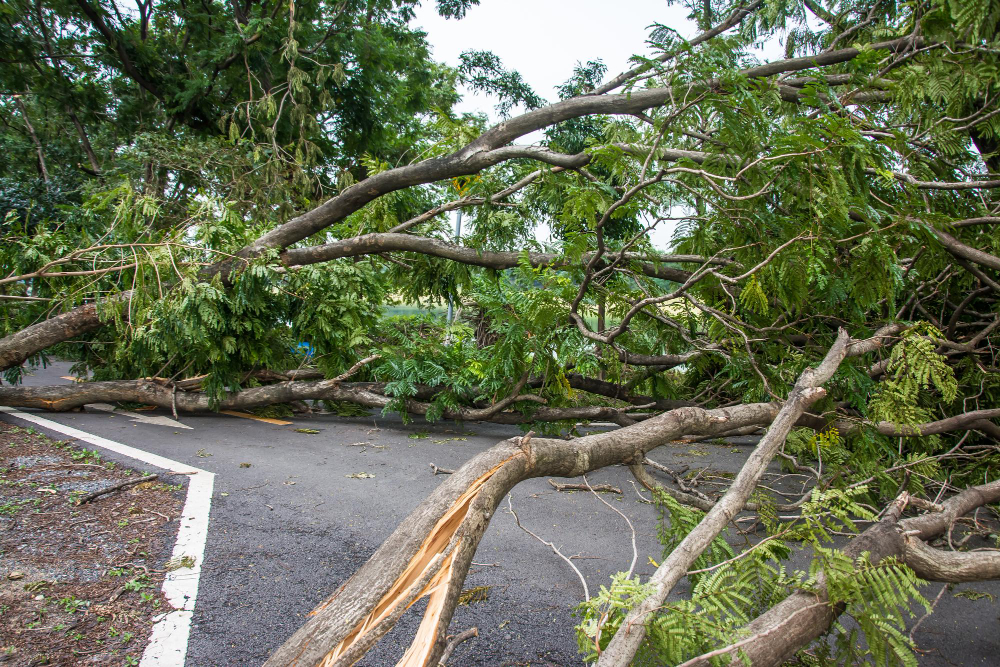
Why a Professional Assessment Matters
Tree health issues rarely announce themselves early. Internal decay, a weakened branch union, subtle changes in the soil or root damage below the surface can all progress for years before there is any visible sign above ground, by which point the tree’s stability may already be compromised.
This is where qualified experience counts. A trained arborist draws on both practical fieldwork and formal training to assess the biological and structural factors at play, understanding how a given species responds to local conditions, past pruning and seasonal stress. Because reputable arborists also carry the appropriate qualifications and insurance, property owners can be confident the assessment has been carried out responsibly, with a documented record they can refer back to whenever future maintenance or planning decisions come up.
Treating Tree Reports as an Ongoing Investment, Not a One-Off Job
These reports works best as part of an ongoing management strategy rather than a document that only gets commissioned once a problem has already appeared. For larger or established trees in particular, regular reassessment makes it possible to catch changes in health or structure early, before a minor issue turns into a costly repair or a genuine safety hazard.
This proactive approach suits schools, commercial properties, body corporates and homeowners managing mature landscapes that need consistent attention. Working from a structured maintenance plan, rather than reacting after storm damage or noticeable decline, puts owners back in control of both cost and risk. If you need an arborist report or ongoing tree management advice in North Brisbane, contact our tree specialists to find out what’s involved and get in touch to discuss your property.